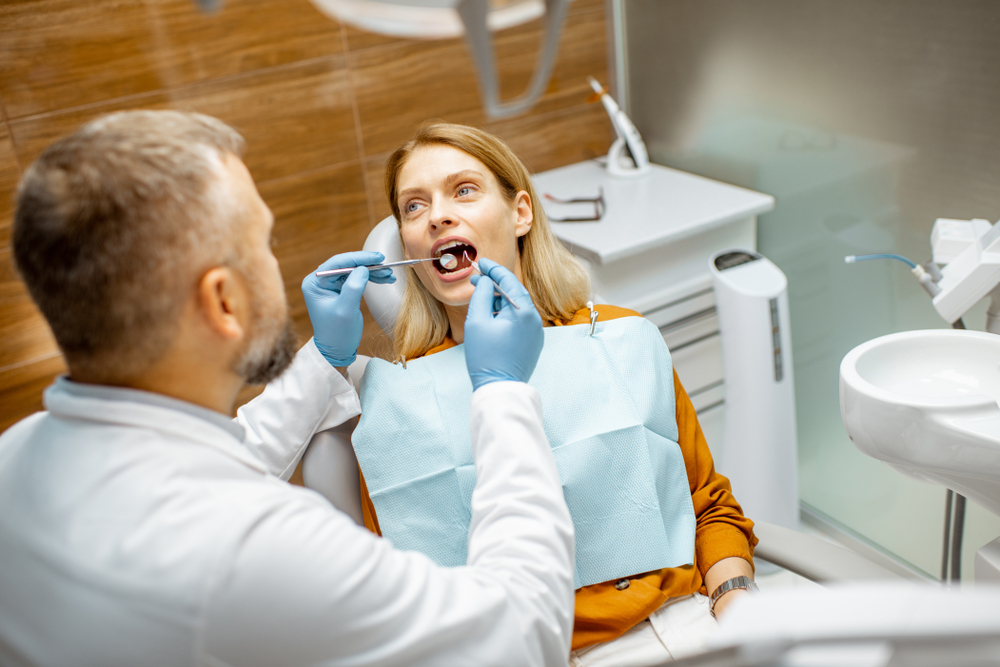
Cavities often start small, but they can grow quickly when plaque, sugar, and bacteria stay on the teeth for too long. Once a tooth breaks down, it may require dental fillings in Leduc, which can be avoided when you follow strong daily habits. This guide explains how cavities form and what you can do to prevent them in simple, practical steps.
How Cavities Form
Cavities start when plaque combines with sugars from food and drinks. This mixture creates an acid that slowly damages the enamel. When enamel weakens, small holes begin to develop. These holes deepen over time if brushing and cleaning habits are inconsistent. Understanding this process helps you know where to focus your efforts.
What are the Daily Brushing Habits That Protect Your Teeth
Brushing twice a day is the first and most reliable defence. Use a soft-bristle brush and fluoride toothpaste. Make slow, gentle strokes along the gumline and back teeth.
These areas trap the most plaque. Rushing through brushing leaves bacteria behind, which allows acids to continue working.
Replacing your toothbrush every three months also makes a real difference.
Why Regular Dental Visits Matter
Seeing a dentist in Leduc helps you find early signs of decay before they turn into larger problems. Professional cleanings remove hardened plaque that brushing cannot reach. The dentist can also check for weak spots in your enamel, early gum inflammation, or small cracks that may increase your risk of cavities. Routine visits give you a clear picture of your oral health.
Smart Eating Habits to Reduce Acid and Sugar Damage
Certain foods increase cavity risk. Sticky snacks like gummies cling to teeth longer. Sugary drinks like sodas and energy drinks coat the enamel in harmful acids.
You do not need to avoid these foods completely, but try to:
- Limit frequent snacking
- Drink water with meals
- Rinse with water after sweets
- Choose crunchy fruits and veggies
Small changes in your diet will help you maintain a healthier mouth throughout the day.
Fluoride and Sealants for Added Protection
Fluoride strengthens enamel and helps it resist acid attacks. It can be found in toothpaste, mouthwash, and some public water systems.
Sealants are thin protective coatings that are placed on the grooves of the molars, where the food can easily get stuck.
Both options are simple and painless, and they lower cavity risk, especially for children and teens.
Can Early Decay Be Reversed?
Many people ask, Is it possible to reverse early tooth decay? The answer is yes, only when the damage is still at the enamel stage. At this point, fluoride treatments, better brushing, and healthier habits can stop the process and rebuild minerals. Once a cavity passes the enamel layer, it cannot be reversed and will need dental treatment. Early detection is key.
Why Choosing Local Care Makes a Difference
Seeing a dentist near you makes staying consistent easier. Quick appointments and short travel time help you maintain regular check-ups. If sensitivity or a toothache shows up, you can get help promptly instead of waiting until the decay spreads. Local care creates a long-term relationship, which supports better prevention.
Early Decay vs. Advanced Decay
What are the Daily Habits That Make the Biggest Difference
- Brush twice daily
- Floss once a day
- Drink more water
- Limit sugary snacks
- Use fluoride products
- Attend regular check-ups
These habits support your enamel and reduce the chances of future fillings.
Wrapping Up!
Strong daily habits, smart food choices, and regular professional care can significantly lower your risk of cavities. At Suntree Dental, we support long-term prevention and healthy smiles for your entire family. If you want personalized guidance, we’re here to help you protect your teeth before problems begin.
FAQs
Do cavities always hurt?
No. Many cavities are painless at first, which is why regular dental check-ups are important for early detection.
How long does it take for a cavity to form?
It can take months for enamel to break down, but it happens faster with poor hygiene or high sugar intake.
Are children more at risk for cavities?
Yes. Kids eat more sugary snacks and may brush less effectively, making prevention and sealants especially helpful.