What makes dental X-rays in Leduc essential in diagnosing dental diseases? Because they are silent and invisible, many dental problems develop undetected. That is why X-rays are often included in the checkup. These images allow dentists to detect problems early and support preventive dentistry.
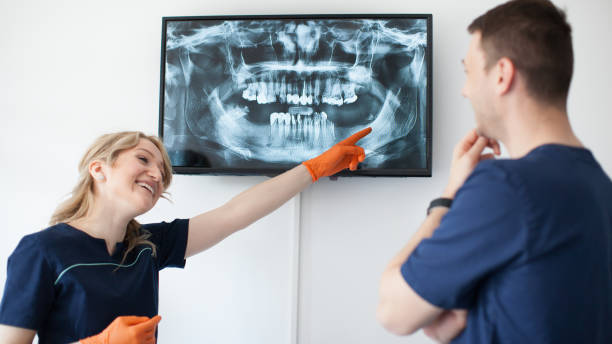
A dentist in Leduc may suggest X-rays to examine areas that cannot be seen during a visual exam at regular oral health checkups. A dental X-ray captures images of teeth, roots, the jawbone, and surrounding structures. With these detailed images, we can catch changes early.
What are Dental X-Rays?
Dental x-rays are radiographic images of a patient’s teeth. This helps dental professionals identify issues that may otherwise go unseen during an oral examination.
X-rays can help show:
- Cavity between teeth.
- Loss of tooth structure.
- Infection close to the tooth roots.
- Teeth influenced.
- Changes in the jaw structure.
These images facilitate early diagnosis and treatment planning.
Importance of Dental X-Rays for Early Detection
Dental X-rays are important for early detection because they reveal oral health issues before symptoms turn serious. Dental issues usually develop gradually and do not cause pain.
An X-ray exam may detect:
- Small holes before they become bigger.
- Changes in early gum disease.
- Bone degeneration surrounding teeth.
- Concealed Infections.
- Troubles of children’s development.
If you visit a dentist near you for regular checkups, you may receive X-rays of the areas.
How X-Rays Help Detect Tooth Decay
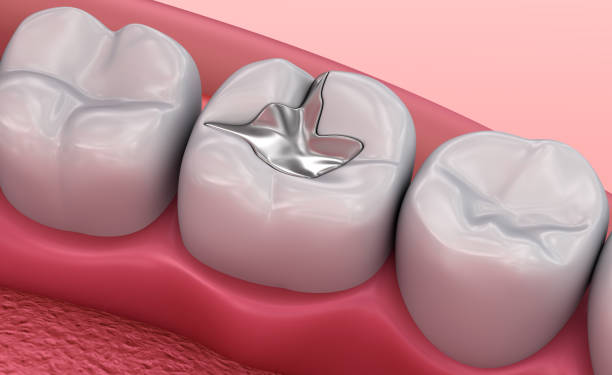
Some cavities develop in places that are hard to see under a typical visual exam. X-rays also allow your dentist to look between teeth and under fillings.
This can detect:
- Decay between the teeth.
- Untreated areas beneath fillings.
- Initial enamel alterations.
- Weak areas within the tooth.
Generally, simpler, smaller treatments can be performed.
How X-Rays Support Gum Health Monitoring
Dental X-rays near you also help evaluate the health of the bone supporting the teeth. Gum disease may slowly affect these structures without obvious symptoms at first.
X-rays may reveal:
- Bone loss around teeth
- Signs of gum disease progression
- Areas where bacteria may collect
- Changes near tooth roots
Monitoring these changes helps support long-term oral health.
Can Dental X-Rays Detect Infections?
Yes, dental X-rays can help identify infections below the gums or near the tooth roots. Some infections may not cause noticeable swelling or pain immediately.
X-rays may show:
- Dark areas near roots
- Changes in the surrounding bone
- Signs of abscesses
- Infection-related damage
Detecting these concerns early may help prevent further complications.
How Dental X-Rays Help Children
Children’s mouths change quickly as they grow. X-rays help monitor the development of teeth and jaws over time.
Dental professionals may use X-rays to check:
- Permanent teeth development
- Tooth eruption patterns
- Spacing concerns
- Impacted teeth
- Orthodontic planning needs
These images support healthy growth monitoring during childhood.
Are Dental X-Rays Safe?
Modern dental X-rays use very low levels of radiation and are considered safe when used appropriately. Protective measures are also used during imaging.
Safety steps may include:
- Protective lead aprons
- Digital imaging technology
- Limiting x-rays to necessary situations
Dental professionals recommend X-rays based on each patient’s oral health needs.
How Often Are Dental X-Rays Needed?
How often you need dental X-rays depends on your age, past dental health, and your risk of dental problems.
You may need X-rays:
- During regular dental checkups
- If you have new pain or symptoms
- Before some dental treatments
- To keep track of ongoing dental issues
Dental professionals determine the timing based on individual needs rather than using a single schedule for everyone.
What to Expect During Dental X-Rays
Dental X-rays are usually quick and easy. Small imaging tools are gently placed inside or around your mouth to take pictures of your teeth.
During the process, you may feel:
- It only takes a short time.
- Very little or no discomfort
- Simple instructions on how to sit or bite
- In some clinics, images are displayed on a screen immediately.
The whole process usually takes just a few minutes.
Benefits of Routine Dental X-Rays
Regular X-ray examinations support preventive care and accurate treatment planning.
It May Include:
- Spotting dental issues early on.
- Watching changes over time.
- More effective treatment planning.
- Lower chance of serious problems.
- Enhanced oral health management over time.
Ready to Learn More About Your Oral Health?
Dental X-rays play an important role in identifying hidden oral health concerns before they become more serious. From detecting cavities and infections to monitoring bone health and tooth development, these images help support preventive dental care and accurate treatment planning. For detailed oral health evaluations and professional dental care, visit Suntree Dental and book an appointment today.
FAQs
Can X-rays find cavities?
Yes, early detection of small cavities is possible with dental X-rays, which also allows for better pain management.
Are dental X-rays safe for children?
Modern dental X-rays use very low radiation levels and are generally considered safe when they are needed for diagnosis and monitoring.
How long do dental X-rays take?
The process is usually quick and simple, often taking only a few minutes during a dental visit.
Can X-rays show gum disease?
Yes, dental x-rays can help identify early signs of gum disease, including bone loss and changes around the teeth that may not be visible during a regular exam.