When a tooth is severely damaged by decay or trauma, choosing the right treatment can feel like a high-stakes decision. The debate usually centers on whether it is better to save the natural tooth or replace it entirely with a modern prosthetic.
If you are consulting with a dentist in Leduc, you will likely hear that preserving your natural anatomy is often the first priority.
However, every clinical situation is unique, and sometimes a replacement is the more predictable long-term solution.
Understanding the biological and functional benefits of each option allows you to move forward with a treatment plan that aligns with your health goals, budget, and lifestyle.
Saving the Natural Structure with Endodontics
A root canal is a procedure designed to remove infected pulp from inside a tooth, effectively “cleaning out” the internal canals to stop pain and stop the spread of infection.
Many patients who require a root canal in Leduc find that this allows them to keep their natural tooth for many years without needing an extraction.
Once the infection is gone, the tooth is sealed and usually covered with a crown to restore its strength.
This is generally the less invasive of the two options because it keeps your original root structure and jawbone intact, maintaining the natural sensory feedback you get when chewing.
Analyzing the Core Procedural Variations
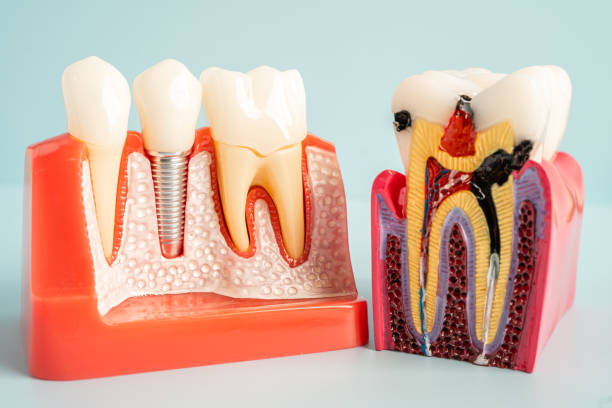
The fundamental difference between dental implant and root canal procedures lies in what happens to the natural tooth root.
A root canal fixes the inside of your existing tooth, whereas an implant replaces the entire tooth from the root up with a titanium post.
- Invasiveness: Saving a tooth involves drilling and filling, while an implant requires minor surgery to place the post in the jawbone.
- Healing Time: Recovering from a tooth-saving procedure is quick, while an implant takes months to fuse with the bone.
- Functionality: Both offer excellent chewing power, but the natural tooth feels slightly more “real” due to the surrounding ligaments.
- Aesthetics: Modern crowns used in both treatments are virtually indistinguishable from natural teeth.
Is It Better To Save Or Replace A Tooth?
When deciding which is better between a dental implant vs root canal, the answer depends heavily on the condition of the remaining tooth structure.
If the tooth has a deep fracture that extends below the gum line, a root canal might fail, making the implant the superior choice.
On the other hand, if the tooth is mostly healthy but has an infected nerve, saving it is the best path.
Your dentist will use 3D imaging to see if the bone support is strong enough for an implant or if the tooth’s structure is too weak to be saved.
Longevity and Future Expectations
| Feature | Natural Tooth Restoration | Titanium Implant System |
| Success Rate | Very High (85-95%) | Extremely High (95-98%) |
| Material | Biological tissue & ceramic | Titanium & ceramic |
| Bone Health | Maintains existing bone | Stimulates new bone growth |
| Lifespan | 10 to 15+ years | 25+ years to life |
| Vulnerability | Can still get new decay | Immune to cavities |
Many people ask which lasts longest root canal or a dental implant over the course of a lifetime.
Generally, a titanium post is considered a “forever” solution because it cannot decay, while a natural tooth remains susceptible to future cavities or gum disease.
The Financial and Time Investment
Choosing a root canal near you is often the more cost-effective option in the short term, as it requires fewer appointments and no surgical recovery time.
However, if the tooth fails years later, you may end up paying for an extraction and an implant anyway. An implant has a higher upfront cost because of the surgery and the high-tech materials involved.
If you are looking for a dentist near you to perform these treatments, it is worth discussing the total cost of ownership over twenty years rather than just the price of the first appointment.
Why is Professional Diagnosis Crucial?
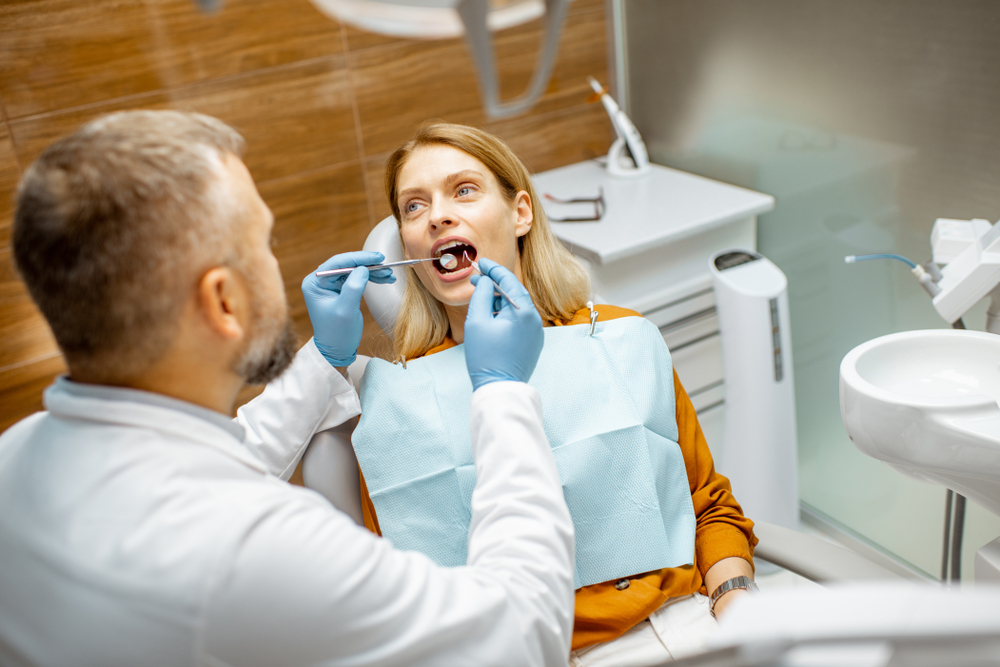
Before making a final choice, you must visit a dentist near you for a comprehensive exam. They will check the health of your gums and the density of your jawbone to see if you are a good candidate for surgery.
If you have active gum disease, an implant might not heal correctly. Conversely, if your tooth is crumbling, a root canal might be a waste of resources.
A professional assessment ensures that you don’t spend money on a treatment that isn’t likely to succeed, helping you invest in a smile that stays functional and pain-free.
Making the Right Choice for Your Smile
Deciding whether to save a tooth or replace it is an important step for your oral health.
Both options can help relieve pain and restore your ability to eat and speak comfortably. The right choice depends on what will work best for your mouth and support your long-term dental health.
Understanding the benefits of saving a natural tooth versus replacing it with modern dental solutions can help you make a confident decision.
At Suntree Dental, our team provides honest guidance and expert care to help you choose the option that’s right for you. If you have a painful or damaged tooth and aren’t sure what to do next, contact us to schedule a consultation and discuss your options.
Frequently Asked Questions
Is a root canal more painful than an implant?
Modern numbing techniques make both procedures very comfortable; most people report that an implant feels like a simple extraction during recovery.
Can an implant get a cavity like a normal tooth?
No, the materials used in implants are inorganic, meaning they cannot decay, though the surrounding gums still need to be kept clean.
Will I be without a tooth while an implant heals?
In most cases, your doctor can provide a temporary tooth or “flipper” so you never have to worry about having a gap in your smile.
How do I know if my root canal has failed?
Signs of failure include pain when biting, swelling in the gums, or a pimple-like bump appearing near the treated tooth.