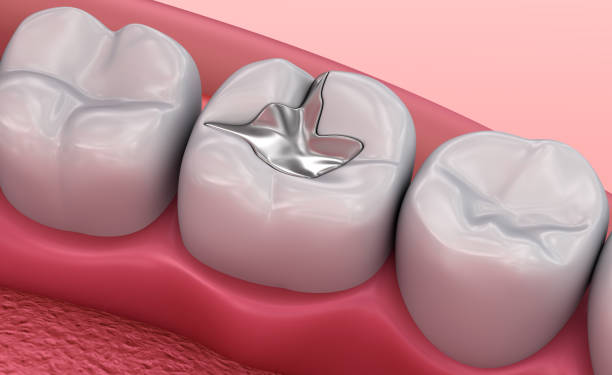
A dental filling is a quick way to fix a tooth that has a cavity. It stops the decay and saves your tooth from getting worse. The filling material seals the hole in your tooth, so bacteria can’t get in. If you catch a cavity early and get a filling, your tooth stays strong and works normally for many more years.
Many people worry that cavities mean they’ll lose their teeth. That’s not true anymore. How a dental filling can save your tooth is simple: it removes the decayed part and fills it back in. Your tooth is saved. You keep your natural tooth instead of losing it. This guide explains everything you need to know about dental fillings near you in simple words.
What Is a Dental Filling?
A dental filling is a material that dentists use to fill holes in your teeth. These holes form when cavities develop. A cavity starts small but gets bigger if you don’t treat it. The filling material replaces the decayed tooth structure. It seals everything up so no more decay can happen in that spot.
Filling materials can be of different types. The tooth-colored composite resin is used most often for dental fillings. Another popular choice is amalgam, which is silver-coloured and very strong. Your dentist will guide you on the best choice for your tooth. Some people prefer tooth-coloured fillings, as they look natural. Some prefer lasting materials over leather. Whatever the case, dental filling for small cavities are one of the easiest ways to protect your tooth from further decay.
How Cavities Form and Spread
Cavities take time to form. They grow gradually over time. This is how it works:
Step 1: Bacteria in Your Mouth: Your mouth naturally has bacteria; hence, there is a presence of bacteria in your mouth. When you consume a sugary food or don’t brush well after eating, that sugar is fed on by bacteria to create acid, which eats away at your tooth.
Step 2: The Acid Attacks Your Tooth: The acid from bacteria eats away at your tooth’s outer layer called enamel. This creates a small hole.
Step 3: The Hole Gets Bigger: If you don’t fix the cavity, the hole keeps getting larger. The decay spreads deeper into your tooth.
Step 4: Pain Develops: Once decay reaches the inside of your tooth, you feel pain. This is a sign you need treatment soon.
Step 5: Risk of Losing the Tooth: If decay isn’t treated, it can destroy the whole tooth. Eventually, you might lose the tooth completely.
This is why catching cavities early matters so much. A small cavity is easy to fix with a filling. A big one might need a crown or root canal. Preventing cavities is ideal, but treating them early with a filling is the next best thing.
When Do You Need a Dental Filling?
Your dentist recommends a filling when you have a cavity. But how do you know if you have a cavity? Sometimes you can see a dark spot on your tooth. Sometimes you feel pain when eating. Sometimes you don’t notice anything at all until your dentist finds it during a checkup.
Regular dental visits are really important. Your dentist uses special tools to find cavities you can’t see. X-rays show cavities between your teeth. If your dentist finds a cavity, they’ll talk about treatment options. Most often, a dental filling in Leduc or your area is the best choice for small cavities. The good news is that catching a cavity early means the filling will be small, quick, and inexpensive.
| Signs You Might Need a Filling | What It Means |
| Dark spot or hole on your tooth | A visible cavity is present |
| Pain when chewing | Decay might have reached the inside |
| Sensitivity to hot or cold | A cavity exposed the inner part of your tooth |
| Cavity found at dental checkup | The dentist spotted decay with tools or X-rays |
| Nothing visible but pain | Decay might be between teeth |
How a Dental Filling Saves Your Tooth
A dental filling at a dental clinic near you stops decay and saves your natural tooth. Here’s how it works:
- Removes the Decayed Part: Your dentist carefully removes all the decayed tooth material. This stops the cavity from spreading further.
- Cleans the Area: The area is cleaned thoroughly to remove all bacteria and debris.
- Fills the Hole: The dentist fills the cleaned-out area with filling material. This seals everything up.
- Protects Your Tooth: The filling prevents bacteria from getting back into that spot. Your tooth is protected.
- Your Tooth Works Again: Once the filling hardens, your tooth is strong again. You can chew normally. Your tooth looks and feels almost like it did before the cavity.
When you visit a dental clinic in Leduc, your dentist explains the whole process before starting. They make sure you’re comfortable. The filling only takes about 20 to 30 minutes. There’s no recovery time. You can eat and drink normally right after (though you might want to wait until the filling is completely hard).
What Happens During the Filling Process
Getting a filling is simple and straightforward. Here’s what to expect:
- Examination: Your dentist looks at your tooth and takes X-rays to see how big the cavity is.
- Numbing: Your dentist puts numbing gel on your gum, then gives you a small injection. This makes the area numb so you won’t feel pain.
- Removing Decay: Your dentist uses special tools to remove all the decayed parts of your tooth. You might hear sounds and feel pressure, but you won’t feel pain.
- Cleaning: The hole is cleaned and dried completely.
- Filling Application: The filling material is placed in the hole. If it’s composite resin, your dentist hardens it with a special blue light.
- Shaping and Polishing: Your dentist shapes the filling so it matches your tooth perfectly. Then it’s polished to look natural.
The whole process is quick and painless. Most people feel relieved that it’s done so easily. You can go back to your normal day right away.
Save Your Tooth Before It’s Too Late
At Suntree Dental, we believe in catching problems early and treating them simply. Our caring team makes sure you feel comfortable and understand everything about your treatment. We want to help you keep your natural teeth healthy and strong for your whole life. If you’ve noticed a cavity, felt pain in your tooth, or just want to know if you have any cavities, we’re here to help. Contact Suntree Dental today to schedule your checkup. Let’s keep your smile healthy and strong.
Frequently Asked Questions
Will I feel any pain during a filling?
No, we will numb your tooth before doing the filling, so you will feel pressure but not pain.
How much lifespan does a dental filling have?
Depending on the material used and a person’s dental hygiene, a filling shall remain intact anywhere from a few months to 20 years.
Can a filling fall out?
It’s rare, but fillings can occasionally come loose if you chew on hard objects or grind your teeth at night.
How do I prevent cavities after getting a filling?
Brush twice daily, floss every day, limit sugary foods and drinks, and visit your dentist every six months.