Have you noticed that one of your teeth has become cracked, worn, or weaker than before? While it may seem like the tooth needs to be removed, that is not always the case. In many situations, a dentist may recommend a dental crown in Leduc instead of strengthening and protecting the natural tooth or replacing it. If you have ever wondered, How do dental crowns protect teeth?, learning how they work can help you understand how this treatment supports your oral health and helps preserve your natural smile for as long as possible.
How Do Dental Crowns Protect Teeth?
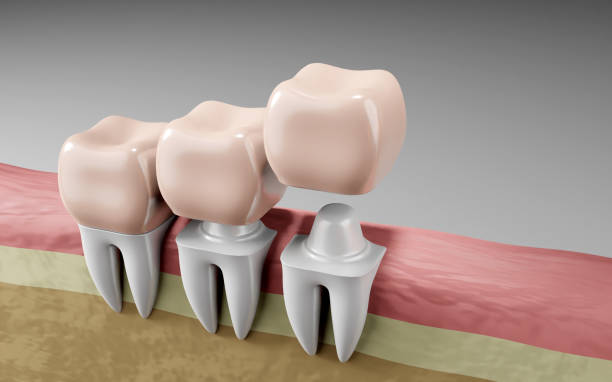
A dental crown sits over the top (visible part) of the damaged tooth. Doing so helps to lessen the pressure that is applied to weakened tooth structure during normal biting and chewing.
A crown may assist:
- Shield compromised teeth against additional harm.
- Bring back normal chewing function.
- Aid the existing natural teeth.
- Minimize your risk of having more fractures.
- Fix chipped teeth with dental bonding.
The suggested treatment varies according to the status of the tooth.
When are Dental Crowns Recommended?
A dentist near you may suggest a crown when a tooth can no longer be adequately protected with a filling alone.
Common situations include:
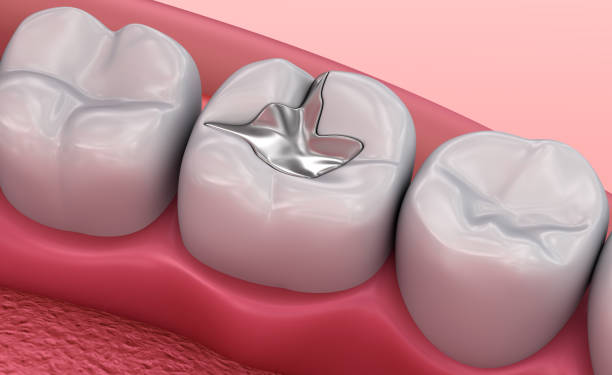
- Large cavities that weaken the tooth.
- Teeth that have fractured.
- Teeth with severe wear.
- Teeth after root canal treatment.
- Broken or damaged teeth that still have enough healthy structure to support a crown.
Every case is different, and a dental examination helps determine the most appropriate treatment.
Can Dental Crowns Help Cracked Teeth?
Yes. Dental crowns for cracked teeth are commonly recommended when the crack has weakened the tooth, but the tooth can still be preserved.
A crown helps by:
- Holding the remaining tooth together.
- Reducing pressure during chewing.
- Covering weakened areas.
- Helping restore comfortable function.
The location and depth of the crack determine whether a crown is the appropriate treatment.
Why are Custom Dental Crowns Important?
Every tooth has a unique size, shape, and position.
Custom dental crowns for natural teeth are designed to match your existing teeth as closely as possible while providing the support the damaged tooth needs.
Custom crowns are created to:
- Fit comfortably.
- Support normal chewing.
- Blend with nearby teeth.
- Restore the natural shape of the tooth.
Proper fit plays an important role in long-term comfort and function.
What Happens During the Crown Process?
Although treatment may vary, the process generally includes several steps.
Your dentist may:
- Examine the damaged tooth.
- Remove damaged areas if necessary.
- Prepare the tooth for the crown.
- Take digital scans or impressions.
- Place a temporary crown if needed.
- Fit the final custom crown during a later visit.
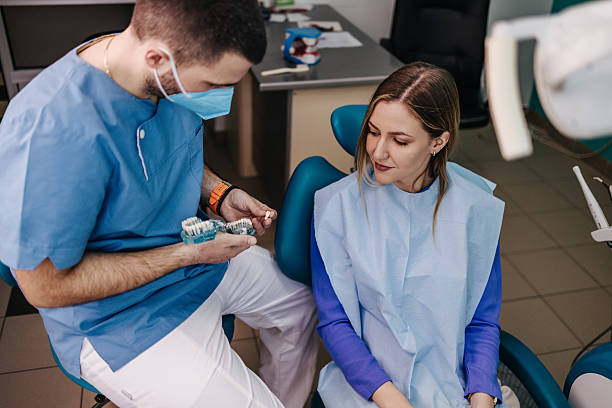
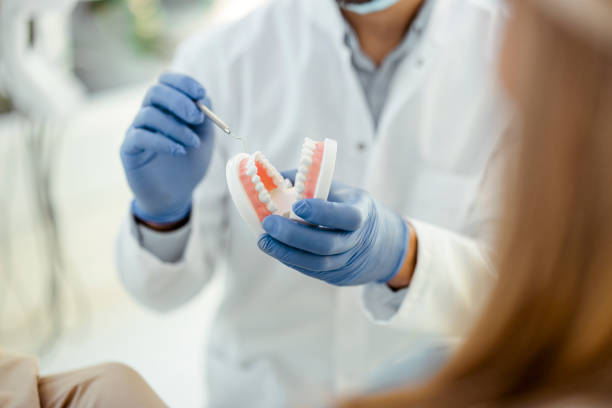
Your dentist in Leduc will explain each step based on your individual treatment plan.
How Can You Help Your Crown Last Longer?
Good oral hygiene and healthy habits help protect both your crown and your natural tooth.
Helpful tips include:
- Brush twice each day.
- Floss carefully around the crown.
- Avoid chewing hard objects like ice.
- Attend regular dental checkups.
- Follow your dentist’s care instructions.
Even though the crown protects the tooth, the natural tooth underneath still requires proper care.
Why Are Regular Dental Exams Important?
Routine dental visits allow your dentist to check both your crown and the surrounding teeth for any signs of wear or damage.
If you are looking for a dental crown near you, a professional examination can help determine whether a crown is the most suitable treatment for preserving your natural tooth.
Help Keep Your Natural Teeth Strong for Years to Come!
Protecting a damaged tooth early may help prevent further problems and support your long-term oral health. If a tooth has become cracked, worn, or weakened, a professional dental evaluation can determine whether a crown is the most appropriate treatment. Addressing the problem promptly may improve the tooth’s strength, function, and overall appearance.
Book your appointment with Suntree Dental to receive a comprehensive evaluation, discuss your treatment options, and find out how a personalized care plan can help preserve your natural smile.
FAQs
Is a crown always the treatment for a cracked tooth?
Not every time. The recommended treatment, whether a crown or other, depends on the crack’s location and severity.
How long do dental crowns last?
The longevity of a dental crown can depend on oral care, regular treatment and daily activities. Your dentist can check your health during regular checkups.
Do dental crowns replicate the appearance of teeth?
Definitely, the colour, shape and size of contemporary crowns closely resemble those of the other teeth in the mouth.
Can I eat normally with a dental crown?
After your dentist confirms that the crown fits properly, most patients can return to normal eating habits while following any care instructions provided.